

Imagine this: You’re deep into editing a high-resolution photo or scrubbing through a complex video timeline. Your eyes spot a tiny detail that needs fixing, and your hand instinctively reaches out to pinch-zoom or tap the screen, only for your finger to hit cold, unresponsive glass. You sigh, realizing you're on a Mac. For years, we’ve lived with this frustrating disconnect, constantly juggling a powerful MacBook for heavy processing and an iPad for tactile, intuitive creativity. We’ve been waiting for these two worlds to merge. Well, the rumor mill has finally turned into reality, and Apple is stepping into the touchscreen arena with a strategy that might just change everything.
Why Apple Waited a Decade (And Why It Matters)
Apple wasn't just late to the touchscreen party; they watched the whole party from outside while Windows manufacturers shipped model after model. But let’s be honest—early touch laptops were often clunky, laggy, and felt like a gimmick. Apple’s strategy has always been different: wait until the execution is flawless.
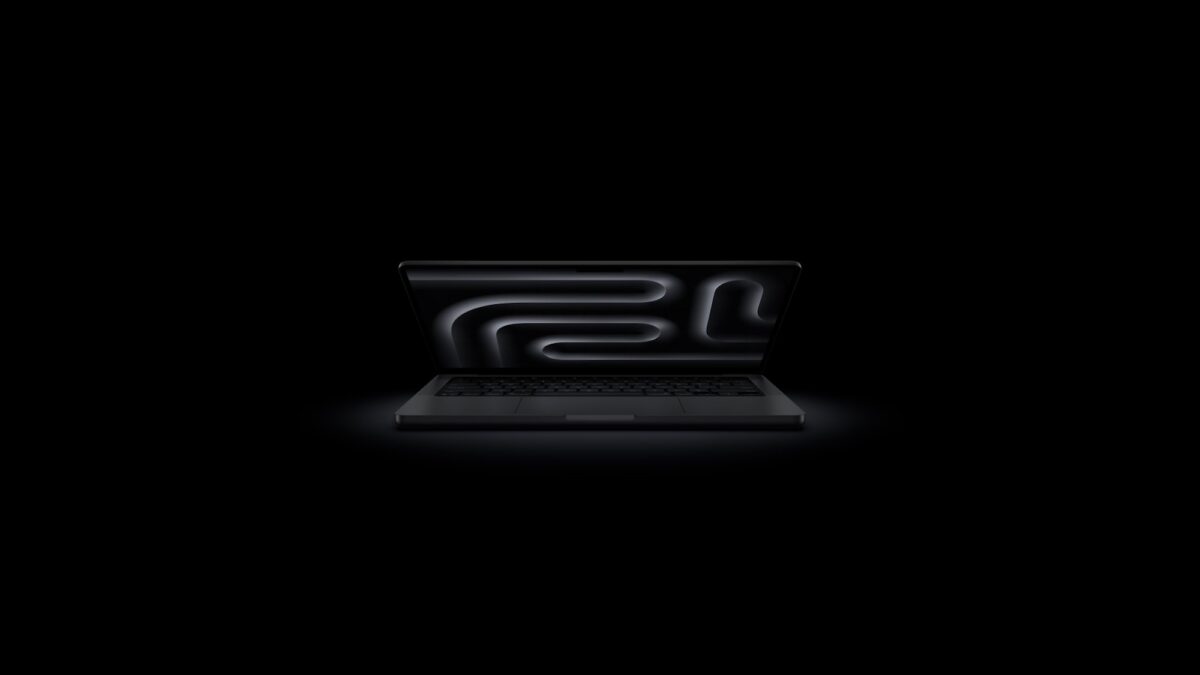
Enter the MacBook Ultra. According to recent reports from Bloomberg, this powerhouse is slated for a debut on or around October 27. This isn't just a standard MacBook with a touchscreen slapped on; it’s expected to run on the same bleeding-edge M5 Pro and M5 Max chips found in the current high-end MacBook Pro lineup. This means you aren't just getting a touch display; you’re getting a machine with enough horsepower to handle professional workflows effortlessly while introducing a brand-new way to interact with macOS.
Beyond the Tap: An Adaptive Interface That Actually Makes Sense
My biggest hesitation with touchscreen laptops in the past? The ergonomics. I owned a touchscreen laptop back in the 2010s, and within a year, the touch feature was gathering dust. The screen wasn't responsive enough, and constantly reaching forward to tap menus gave me that dreaded "gorilla arm" fatigue. It felt like an unnecessary effort compared to the precision of a trackpad.
However, the MacBook Ultra seems to solve this completely with a rumored Adaptive Interface. We aren't talking about blindly poking at tiny menu items designed for a mouse cursor. Reports suggest that tapping a specific button could instantly trigger touch-friendly contextual menus, dynamically enlarging elements like the menu bar for comfortable finger navigation.
This is the game-changer. It bridges the gap, allowing you to swipe, zoom, and interact without sacrificing the precision of the trackpad when you need it. It feels less like a forced feature and more like a natural evolution of how we work.
Here is what makes the MacBook Ultra stand out in a crowded market:
- Seamless M5 Performance: Powered by the M5 Pro and M5 Max chips, the touch interface is expected to be buttery smooth, with zero lag even during heavy creative tasks.
- Intuitive Adaptive UI: The system intelligently adapts to your input, ensuring that touch interactions are context-aware and ergonomic, preventing the fatigue associated with older touch laptops.
- The Best of Both Worlds: It combines the desktop-class power and software ecosystem of macOS with the direct, tactile manipulation we love on the iPad.
- Refined Professional Design: True to Apple's standards, the device is rumored to maintain the sleek, lightweight profile professionals expect, making it portable enough for on-the-go creation.
The "iPad vs. Mac" Dilemma Finally Solved?
"I already have an iPad, why do I need this?" It’s a valid question. If your workflow is strictly sketching and media consumption, the iPad remains the king. But the MacBook Ultra is designed for the power user who needs desktop-class performance but craves that direct manipulation.
Imagine being able to scrub through 4K video timelines with a single finger, instantly annotate a complex PDF during a client call, or select intricate nodes in 3D software without hunting for the cursor. This device aims to be the ultimate hybrid for creators who refuse to compromise between portability, touch intuitiveness, and raw computing power.
Of course, the final verdict will come down to the screen ergonomics and the price tag. If Apple keeps it lightweight and the adaptive interface delivers on its promise, we could be looking at a new gold standard for premium laptops.
The Verdict
The Apple touchscreen laptop has arrived to answer a question we’ve had for years: Can you truly have the best of both worlds? For designers, video editors, and productivity enthusiasts who want to break free from the trackpad without losing professional power, the MacBook Ultra looks like the answer we’ve been waiting for. It’s not just a new laptop; it’s a new way to create. If the execution matches the rumors, this might just be the one device you actually reach for, every single time.