

You're mid-squat, breathing hard, focused on your form, and suddenly your wrist lights up with a work email. Annoying, right? We've all been there. You want to track your health, but you don't want a second job buzzing on your wrist. Enter the Fitbit Edge vs Fitbit Air debate. Fitbit has dropped two very different health bands, each with a distinct philosophy. One ditches the screen entirely for pure focus; the other doubles down on data with a sleek display and built-in GPS. But which one actually fits your daily rhythm? Let's cut through the noise and find your perfect match.
Why Going Screenless Might Be Your Best Move
If you're tired of doom-scrolling via your wrist, the Fitbit Air is calling your name. Weighing in at a featherlight 12 grams, this pebble-like tracker is designed to disappear into your life.
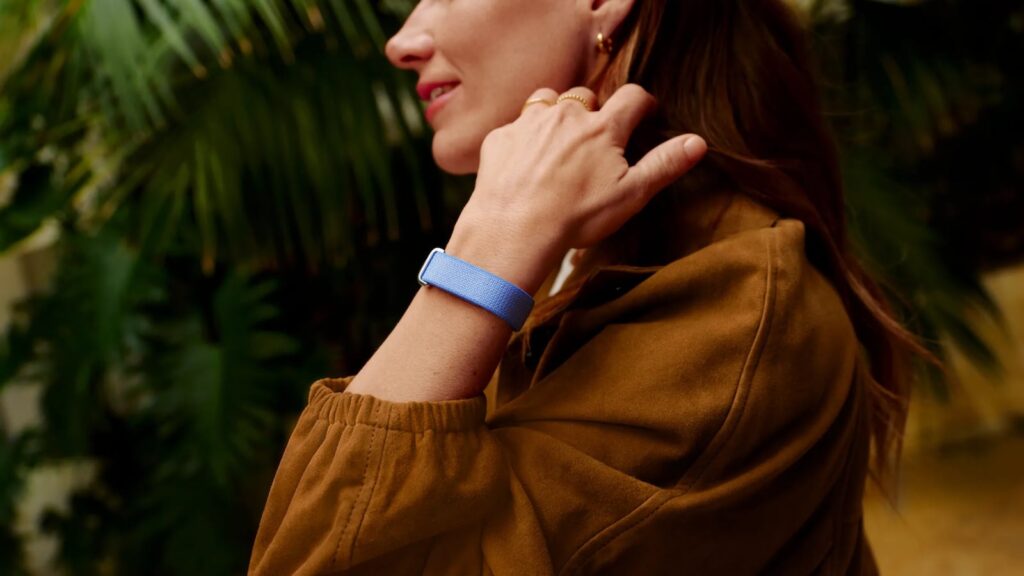
Here's why the screenless approach is winning over minimalists and fitness purists:
- True Distraction-Free Training: No notifications popping up mid-stride. You run, you lift, you breathe. The stats wait for you on your phone later.
- Sleep Like a Baby: Without a screen glowing at 2 a.m., the Air is the ultimate sleep companion. It tracks sleep stages and heart rate variability (HRV) in the background without keeping you awake.
- Heart Health on Autopilot: It runs 24/7 heart rhythm monitoring with AFib alerts using the optical sensor. You get peace of mind without tapping a screen.
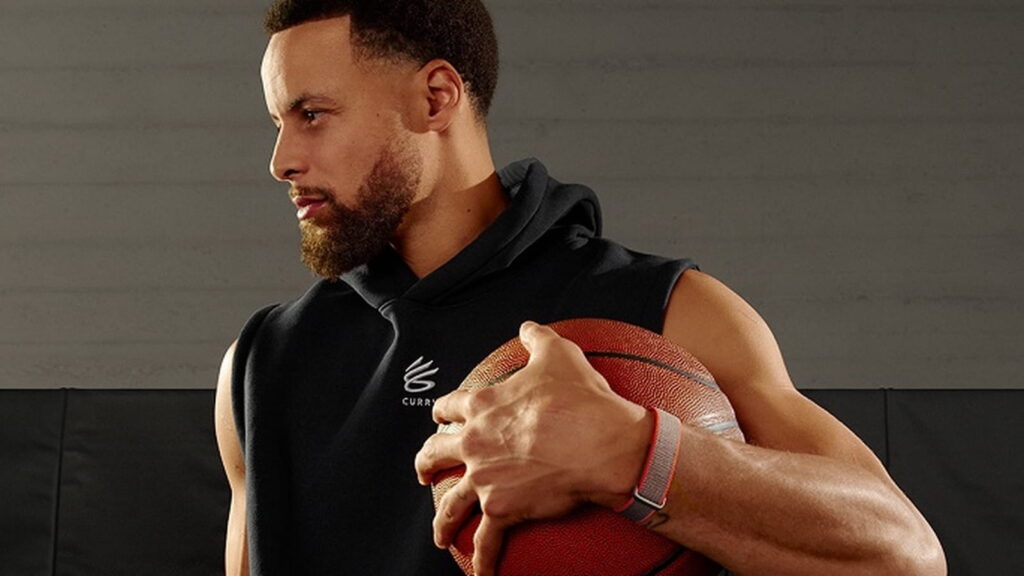
At $99.99, the Air offers incredible value for standard health tracking without forcing a subscription on you for the basics. If you just want to know how you slept and how hard you trained, this is your winner.
When You Need Data and GPS on the Go
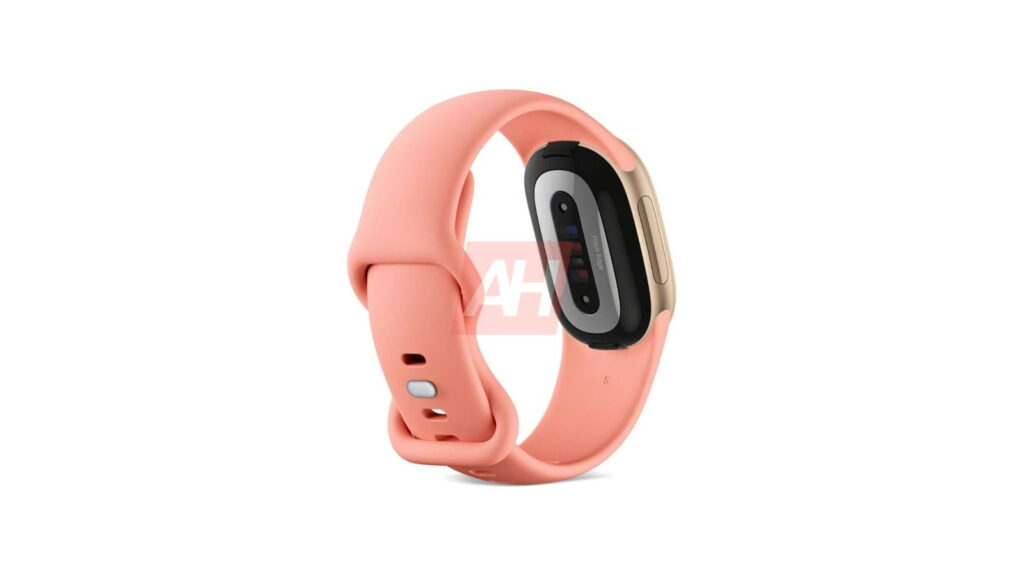
On the flip side, maybe you're a runner who hates carrying a phone. That's where the Fitbit Edge steps up to the plate. Rumored to hit around $180, the Edge is for those who want their data live, right on their wrist.
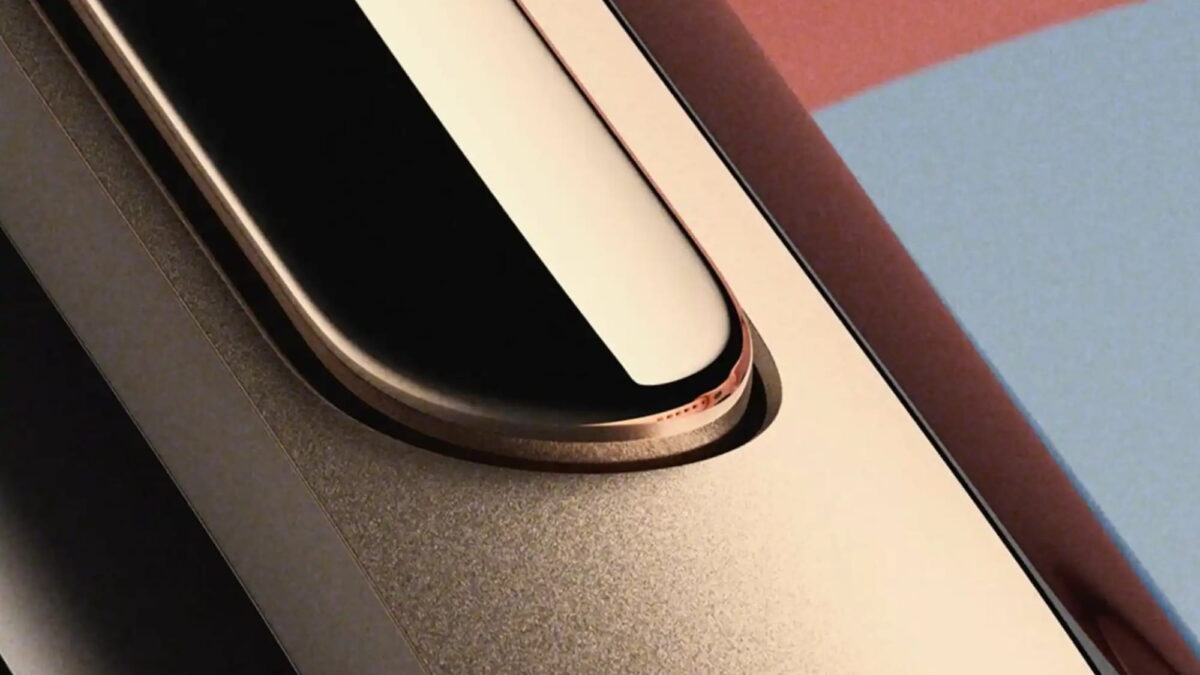
The Edge changes the game for outdoor athletes:
- Built-in GPS: Thanks to GNSS support, you can leave the phone at home and still track your route, pace, and distance accurately.
- Advanced Health Sensors: We're looking at a 1.34" AMOLED display and potential ECG capabilities. This isn't just a tracker; it's a mini health lab. You can check your heart rhythm on demand and monitor SpO2 and VO2 Max with precision.
- Always-On Visibility: Need to check your time or heart rate during a quick glance? The AMOLED screen with always-on mode makes it effortless.
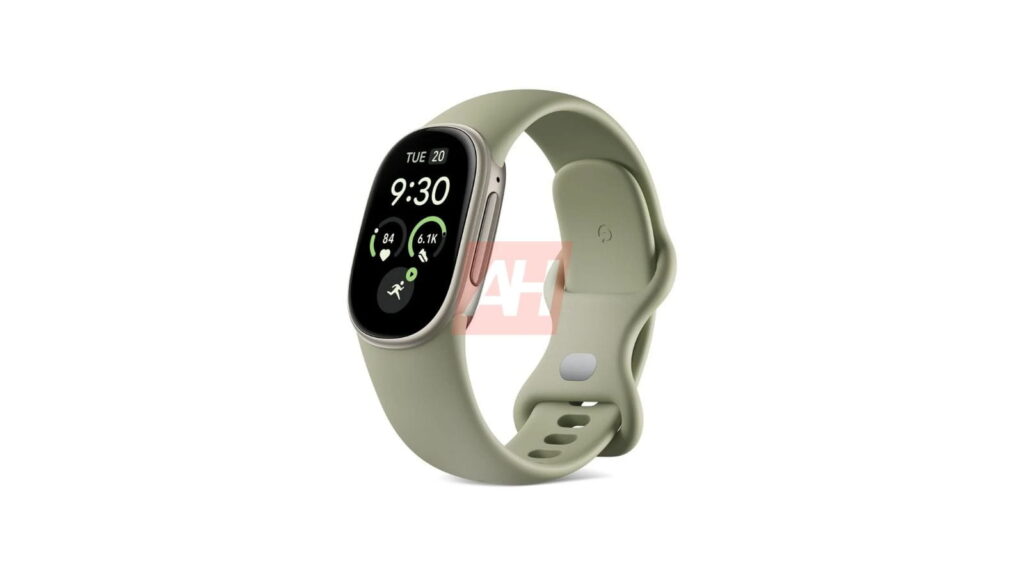
If your workout relies on live feedback or you run in areas where phone connectivity is spotty, the Edge is worth the extra investment.
Battery Life and Practicality: The Real-World Test
Specs are great, but battery life keeps you moving. Both trackers promise up to 7 days of battery life, which is solid for a week of training. However, the Edge has a catch: turn on the always-on display, and that drops to about 2 days.
There's a massive win for the Edge, though: a user-replaceable battery. This means you won't be throwing the whole band in the recycling bin when the battery eventually degrades after a few years.
Which One Fits Your Vibe?
Here's the quick cheat sheet to help you decide:
- Choose the Fitbit Air if: You want a lightweight, screenless wearable that tracks AFib, sleep, and heart rate without distractions. It's perfect for 24/7 wear and costs under $100.
- Wait for the Fitbit Edge if: You need built-in GPS for phone-free runs, want an ECG for detailed heart analysis, and prefer seeing your stats live on a crisp touchscreen.
Final Verdict
The choice between Fitbit Air and Edge isn't about which is "better"—it's about how you live. The Air is a breath of fresh air for those seeking a digital detox while staying health-conscious. The Edge is a powerhouse for data nerds and runners who demand independence from their phones.
Whichever you choose, you're getting top-tier health tracking without the bloat of a full smartwatch. Ready to take control of your fitness journey? Pick the tracker that matches your pace and start moving smarter today.