

It’s 6 AM, your alarm buzzes, and you reach for your wrist. The screen stays black. Again. You missed a full night of sleep data because the watch died during your late-night recovery phase. If you’ve ever juggled a demanding hypertrophy block or intense endurance training while trying to track every metric, this frustration feels all too familiar. The Samsung Galaxy Watch 8 was a solid companion, but the new Galaxy Watch 9 addresses the one bottleneck that kept us from total peace of mind: stamina.
The Battery Upgrade That Keeps You Going
The standout difference in the Galaxy Watch 9 isn’t just the refined look; it’s the endurance. In the 40mm model, Samsung bumped the battery from 325 mAh to a robust 390 mAh. That might look small on a spec sheet, but in the real world, it is a 20% jump that changes how you use the watch. If you are logging a heavy lifting session all day and want precise sleep coaching by night, the previous generation sometimes begged for the charger before you even hit the pillow. With the Galaxy Watch 9, you can finally track your entire 24-hour cycle without that lingering low-battery anxiety.
Processing Power for Future-Proof Fitness
Under the hood, Samsung has made a quiet but powerful swap, replacing the Exynos W1000 with the new Snapdragon Wear Elite. While you won’t notice a massive speed difference scrolling through apps tomorrow, this chip brings a built-in AI architecture that matters for long-term ownership. It handles on-watch processing more efficiently, keeping the interface buttery smooth even as software updates add more complex data layers. Think of it as an investment in your tracking future, ensuring your watch stays responsive through years of training cycles and software upgrades.
Health Metrics That Actually Drive Recovery
We all know steps don’t equal fitness. The true value of these watches lies in how they help us manage fatigue. The Galaxy Watch 9 brings a suite of deeper health tools to the forefront:
- Daily Cardio Load & Recovery: This metric is a game-changer for lifters. It weighs your current training against your recent load, flagging exactly when you are digging a recovery hole. This helps you decide whether to push for a PR or scale back for better hypertrophy results.
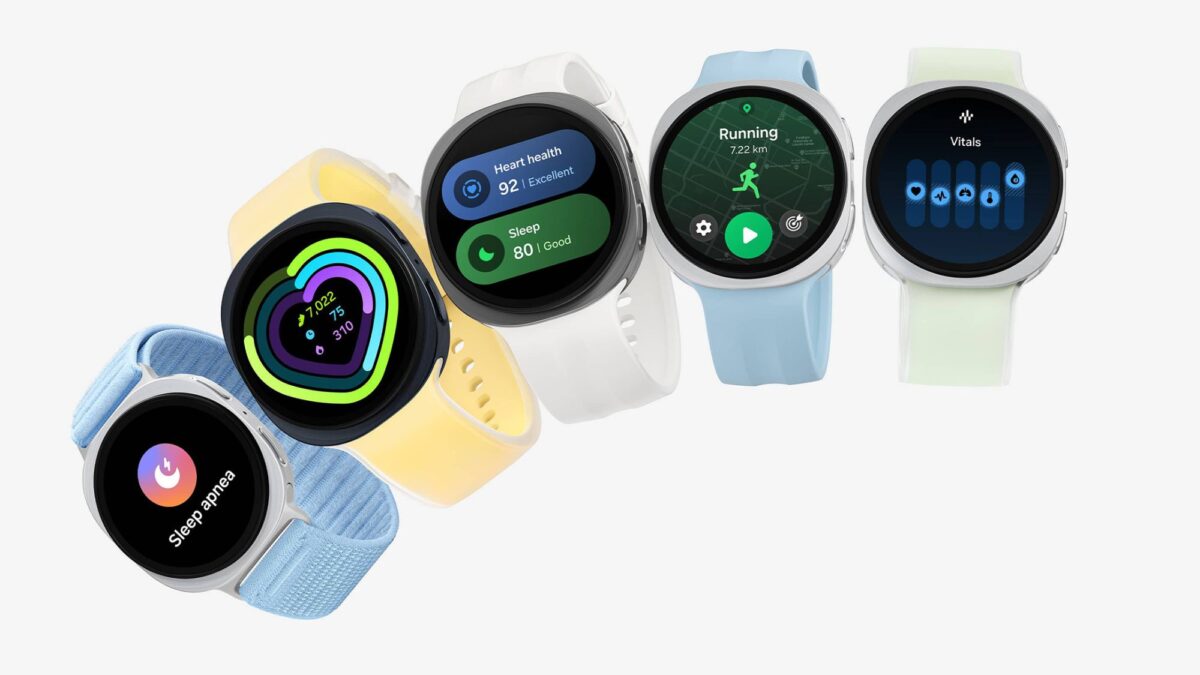
- Vitals & Heart Health: You get granular insights into your Heart Health Score and a comprehensive Fitness Index that tracks strength, endurance, and flexibility over time.
- Sleep Clarity: From snore detection to sleep apnea tracking, knowing how your body repairs itself at night is just as important as your daytime effort.
Value vs. The Premium Upgrade
So, is the upgrade always the right move? Not necessarily. If you prefer the larger 44mm silhouette, the Galaxy Watch 8 remains the smarter wallet move. Samsung only bumped that battery from 435 mAh to 445 mAh—a negligible gain that hardly justifies the price hike. The 44mm Watch 8 shares the exact same bright 3,000-nit display and BioActive sensor suite. When the older model hits sale prices, you’re getting 95% of the experience for significantly less cash. It is the perfect pick for those who charge their watches every morning anyway.
The Bottom Line for Your Training
The choice ultimately boils down to your wrist size and your patience for the charger. The Galaxy Watch 9 in the 40mm size is the definitive pick for anyone who wants a "set and forget" health companion that survives long gym days and overnight recovery tracking. If you rock the 44mm size, the Galaxy Watch 8 is a high-value powerhouse that still delivers top-tier metrics without the new-release premium. Whether you're chasing a new personal best or just trying to optimize your daily energy, the Watch 9's endurance makes it a training partner you can finally trust to keep up.