

You’ve probably seen the viral clips: a sleek machine stepping over obstacles, folding laundry, or simply navigating a busy sidewalk. It’s easy to feel like the future has already moved on without us. But beneath the polished demos and billion-dollar funding rounds, most of us are still asking the exact same practical questions: Will it actually handle daily routines? Is the battery life realistic for real spaces? And more importantly, is it worth bringing a metal companion into your environment today? The truth sits right between the hype and the hardware.
Beyond the Demo Reels
Let’s strip away the cinematic lighting and look at what you actually get in 2026. Modern humanoids range from 1.3 to 1.9 meters tall, powered by brushless electric motors and open-source ROS2 frameworks, with 20 to 60+ degrees of freedom. But here’s the reality check most spec sheets skip: battery life still caps at 2–5 hours, and true autonomous dexterity remains a gradual rollout. Many early deployments still rely on teleoperated oversight or pre-set sequences. That doesn’t make them gimmicks; it simply means we’re in the transition phase where engineering is catching up to vision.
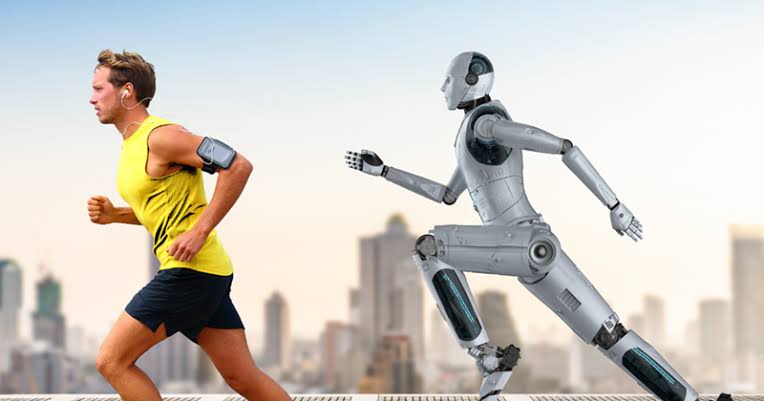 The shift isn’t about replacing humans entirely. It’s about handling the heavy, repetitive lifting in structured environments while quietly learning to navigate our unpredictable spaces.
Where They Actually Excel Once you move past the “will it replace me?” panic, the practical applications become remarkably clear. These machines aren’t built to mimic human quirks; they’re engineered to fill specific gaps in logistics, healthcare, and hospitality.
- Structured Task Automation: In warehouses and assembly lines, models handle repetitive sorting and heavy lifting with precision, operating exactly where human fatigue becomes a liability.
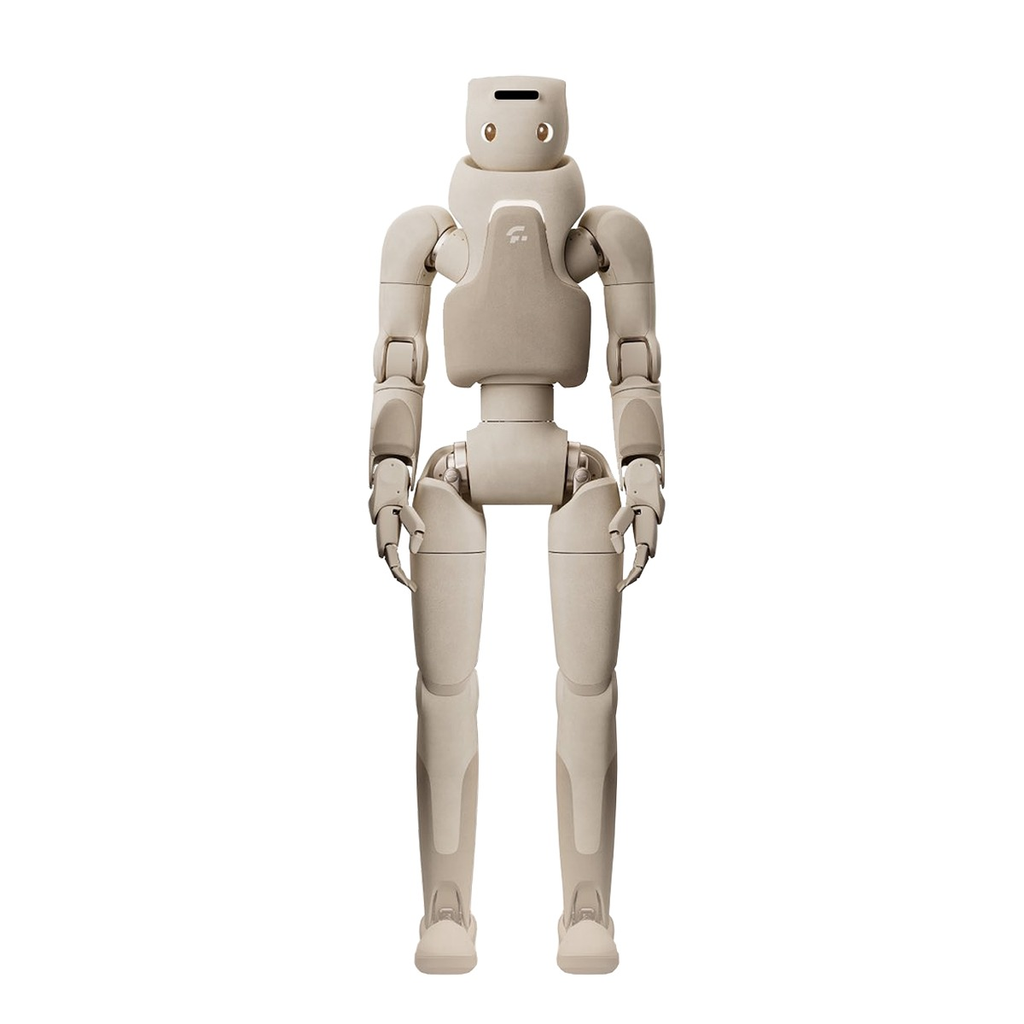
- Elder Care & Rehabilitation: Units like the Fourier GR-3 focus on guided therapy and patient monitoring, offering reliable physical support without the burnout rate of traditional nursing.
-
Hospitality & Public Interaction: Lighter models thrive in hotel lobbies and retail spaces, designed to greet, guide, and manage foot traffic without needing heavy payload capacity.
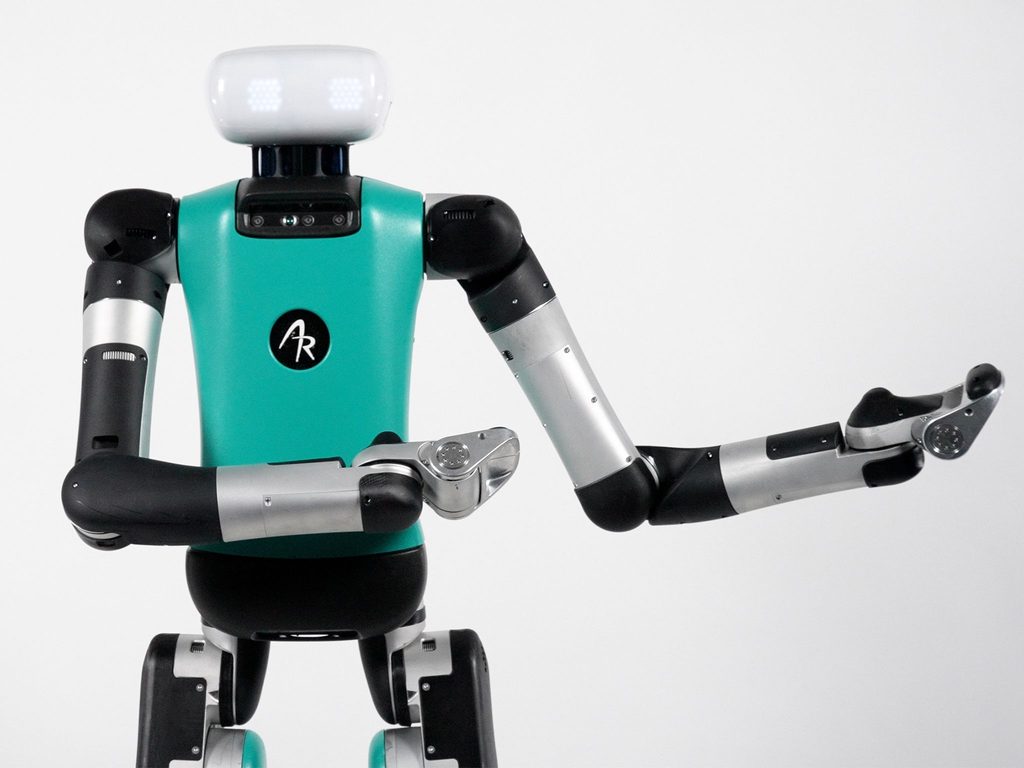 The business logic here is straightforward: shift from capital-heavy robotics to scalable operational leasing, making advanced automation accessible without upfront six-figure investments.
The Hidden Shift in Design
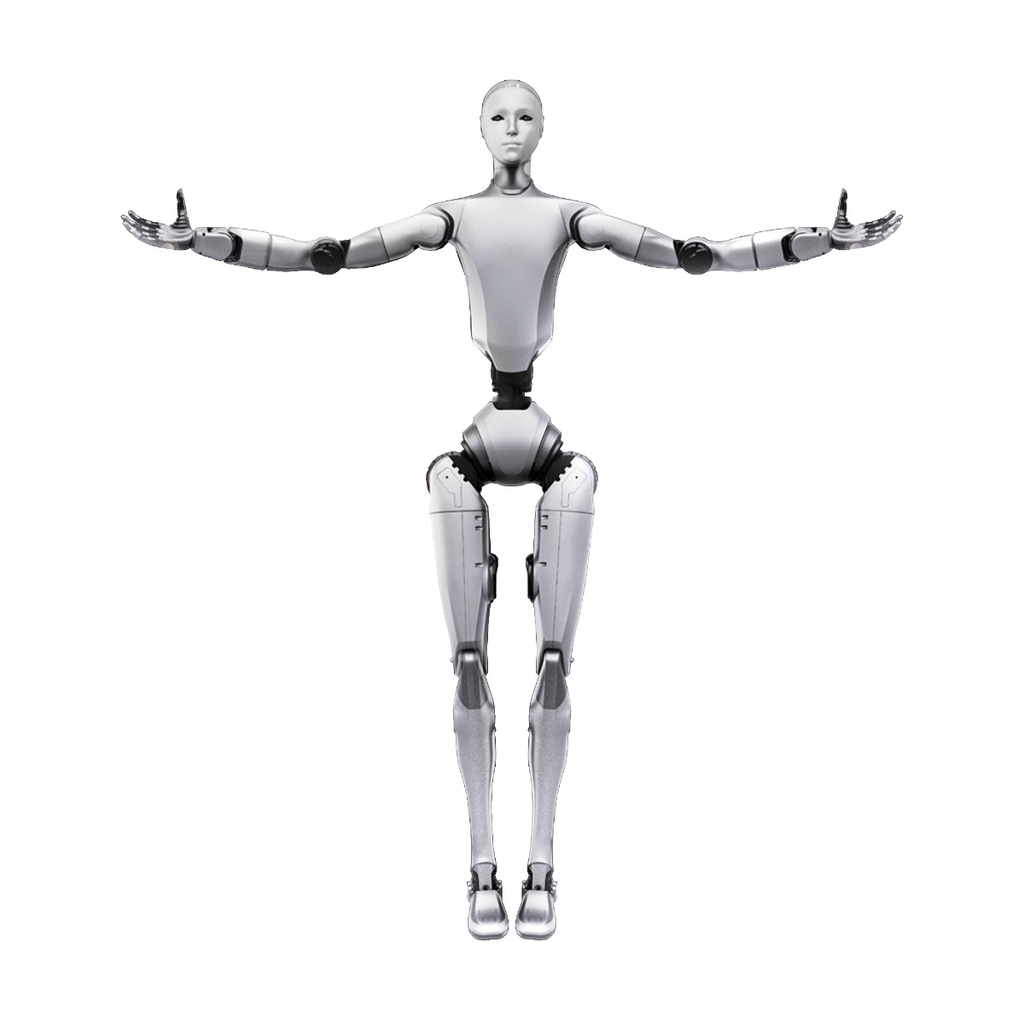
If you look closely at the latest generation, you’ll notice a quiet but deliberate design choice. Capability never strictly requires a face, yet companies are investing heavily in expressive features, voice modulation, and human-like posture. Why? Because the industry is no longer just selling tools; it’s selling presence. A machine with dozens of degrees of freedom concentrated in its face and arms isn’t built to run marathons. It’s built to listen, react, and make human interaction feel seamless.
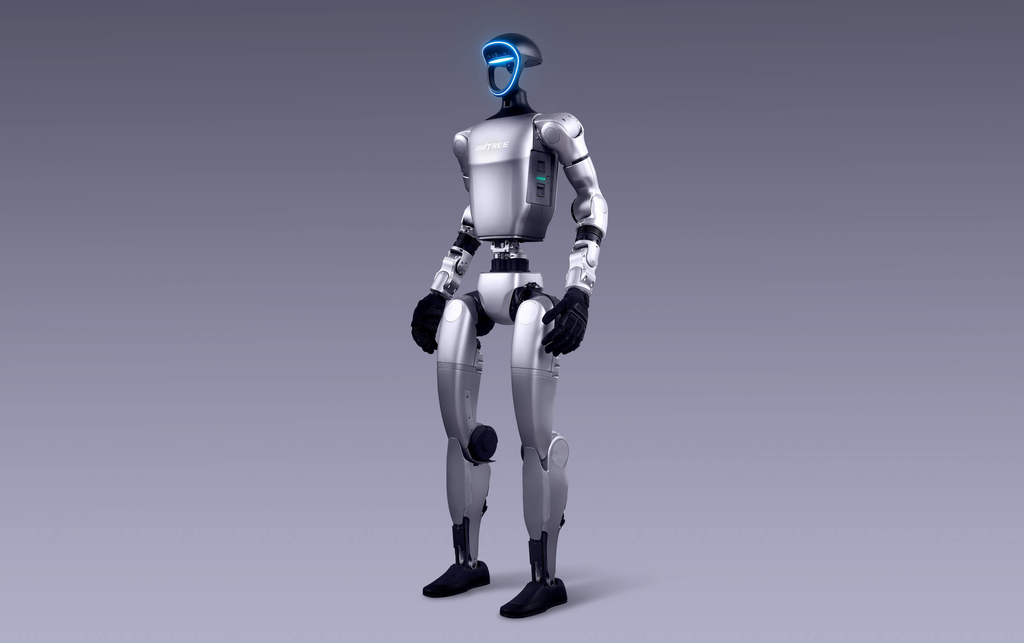 This isn’t about replacing genuine connection. It’s about providing consistent, reliable companionship in environments where human staff are stretched thin. The real value emerges when the machine stops trying to be human and starts excelling at being a dependable, always-present support system.
Who Should Actually Consider This?
So, who is the 2026 humanoid actually for? If you manage a logistics hub, run a senior care facility, or operate a high-traffic commercial space, the ROI becomes undeniable when factoring in reduced turnover, consistent uptime, and flexible leasing. For home users, the tech is still maturing, but early adopters who need assistance with mobility or structured daily routines will find genuine utility in the latest models.
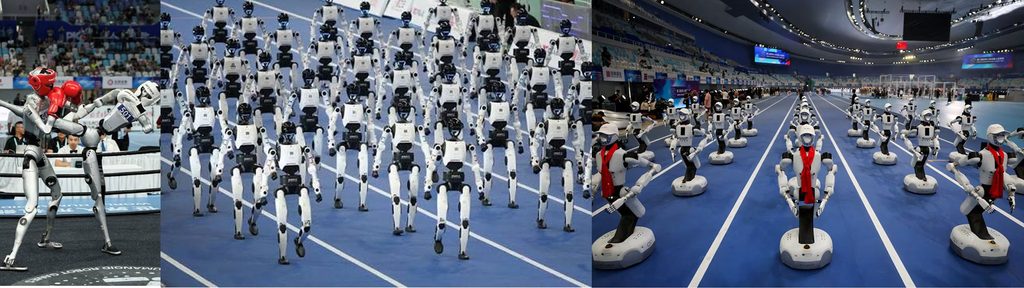 Price tags are finally dipping into the $20k–$30k range, and safety frameworks are tightening alongside AI integration, meaning the unregulated era of robotics is officially giving way to reliable deployment.
The 2026 humanoid landscape isn’t about perfect replicas or sci-fi takeovers. It’s about practical, specialized machines that handle structured work, support vulnerable populations, and integrate seamlessly into environments where human bandwidth is limited. If your workflow demands consistency, your facility needs scalable automation, or you’re simply ready to witness how robotics quietly solve real-world friction, the current generation is finally ready. The future isn’t about machines replacing life—it’s about them making room for it. Step in, test the waters, and see how the right tool actually elevates your daily reality.