

You’re on a long-haul flight, trying to catch a movie, but the bulky Quest 3 strap is already digging into your face after twenty minutes. Sound familiar? Whether you're a remote worker craving a giant dual-monitor setup on the go or a tech enthusiast tired of lugging around heavy headsets, the search for a truly comfortable, daily-wear AR experience has been a constant headache—until now. Meta's rumored next-gen mixed reality headset, Project Phoenix, just leaked from their own app, and it’s rewriting the rules of what we expect from XR glasses.
Glasses-Like Comfort: Why Nose Pads Beat Heavy Gaskets
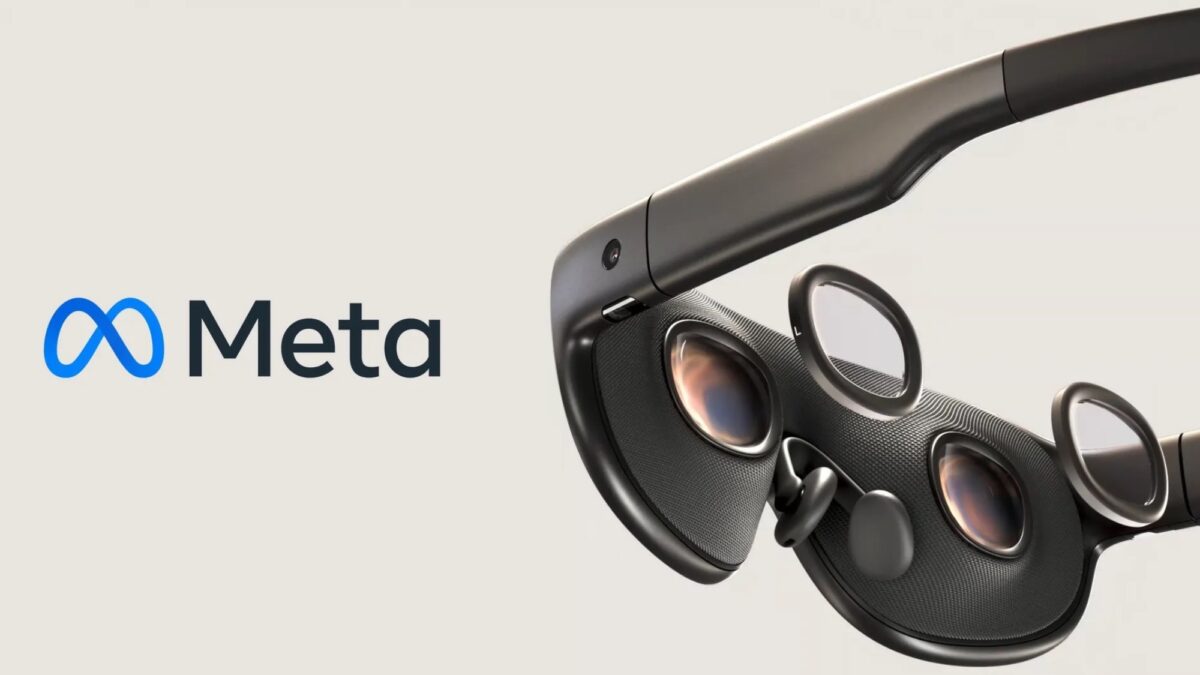
The most striking thing about the leaked renders of Project Phoenix is what’s missing: a bulky foam gasket. Instead, it rests on two tiny nose pads, just like your favorite pair of everyday glasses. This leaves your peripheral vision completely open, making it feel more like wearing a sleek pair of shades than strapping a computer to your face. When you’re wearing something this lightweight (targeted around 100–110g), comfort is king. You aren't counting down the minutes until you can take it off; you’re actually living in it.
The Compute Puck: Where the Weight Actually Goes
Ever wonder how Meta achieved that impossibly thin profile? Look closely at the renders—a thin cable trails off the left temple, disappearing down the user's back toward a "compute puck" kept safely in a pocket. Every gram of silicon Meta pulled off your face went into that external battery and processor. While it might feel like a slight step back to 2010 tech to clip something to your belt, it’s a small price to pay to save your cheekbones from the crushing weight of traditional VR headsets.
A 90-Degree FOV That Actually Makes Sense
Online forums are already buzzing (and some are panicking) over the rumored 90-degree Field of View (FOV), a significant drop from the Quest 3’s 110. But here’s the truth: when you’re dealing with Micro-OLED displays sitting millimeters from your eyes in an ultra-light frame, trading a little peripheral vision for all-day wearability is a trade-off worth making. 90 degrees is exactly what the beloved Quest 2 and Rift S offered back in the day, and honestly, a 147-inch virtual screen from a pair of display glasses is more than enough for most productivity and entertainment tasks.
Serious Tech Hidden in Plain Sight
Don't let the lightweight frame fool you; Project Phoenix is packing serious hardware. Early speculations point to around 10 sensors, including a protruding camera lens on the front edge of each temple and a row of extra sensors tucked along the underside. These are split between passthrough video, spatial tracking, and eye tracking. Meta even included Zenni-branded prescription lenses in the leaked Horizon OS app. The pairing process involves holding a printed QR card up to your face to map it perfectly—fussy, yes, but it shows Meta isn't treating this as a temporary toy. They view it as a full-time replacement for your daily eyewear.
Who Is Project Phoenix For?
Whether you’re a frequent traveler looking to reclaim your personal space, a digital nomad needing a portable workspace, or an AR pioneer ready for the next evolution of mixed reality, this compute-puck-powered form factor is exactly what you’ve been waiting for. With Connect 2026 on the horizon highlighting controller-free interaction, the timing couldn't be better. If Meta can deliver on this glasses-like vision, Project Phoenix might just be the device that finally makes AR mainstream. Stop settling for heavy headsets that sit in a drawer—your eyes (and your face) deserve better.