

You're standing at a crowded train station, one hand on your coffee, the other trying to type a reply on a phone that feels more like a TV remote than a pocket companion. If that's your daily struggle with foldables, you're not alone. For two years, we've been waiting for a foldable that actually works when it's closed—and now, both Google's Pixel 11 Pro Fold and Samsung's Galaxy Z Fold8 claim to be the answer. At $1,899, the question isn't whether you can afford one. It's which one actually makes sense.
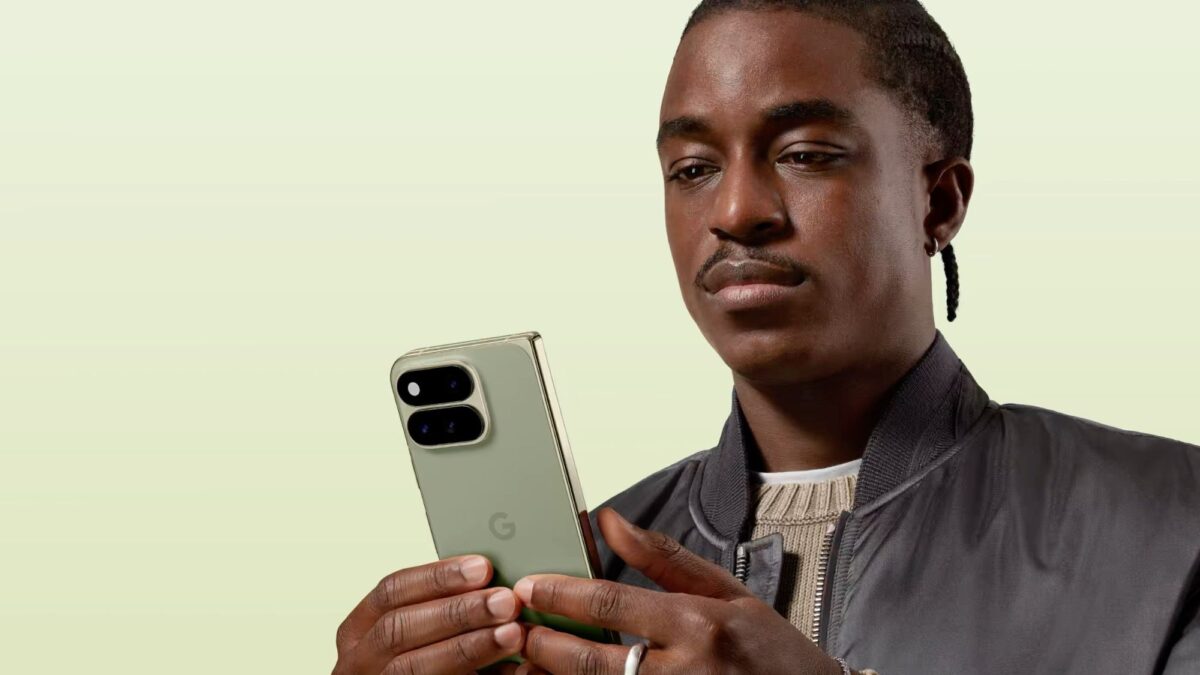
The Folded Screen: Finally Feels Like a Real Phone
Samsung cracked it this time. The Galaxy Z Fold8 closes into a 5.5-inch panel with a 10:16 aspect ratio, meaning the keyboard finally looks and feels normal instead of squished into a narrow strip. It's the kind of change you don't notice on paper but feel immediately in your thumbs. If you're texting one-handed on a commute, the Fold8 wins without argument. Google kept the taller 6.5-inch cover screen, which is still better if you write longer messages, but Samsung's new shape just makes daily use smoother.
Cameras: Why the Pixel Still Takes the Shot
Samsung gave the Fold8 two 50 MP cameras and called it a day. Optical zoom tops out at 2x, and digital crop quickly falls apart past that point. If you've ever tried shooting your kid on stage from row 12, you know exactly where that falls short. Google didn't play safe: the Pixel 11 Pro Fold packs a dedicated 10.8 MP telephoto lens, a 30x Super Zoom mode, and a new 48 MP main sensor with 56% better light sensitivity. It's the foldable that finally lets you zoom past 2x without turning your photo into a blurry mess.
Durability: Beach Days vs. Dust Risks
Here's the part nobody wants to think about until it's too late. Samsung's IP48 rating means it survives fresh water, but fine particles like beach sand and building dust are still a live threat to the hinge. Google kept IP68 on the Pixel 11 Pro Fold, and that single spec turns a festival field or a week by the sea from a gamble into an ordinary Saturday. If your phone goes places phones shouldn't, the Pixel wins this round by a mile.
Performance & Charging: Benchmarks vs. Real Life
Samsung's Snapdragon 8 Elite Gen 5 for Galaxy is a beast on paper, but a 4.5 mm unfolded chassis leaves almost no room for cooling. After 10 to 15 minutes of heavy gaming, the phone heats up and the screen dims. Google's Tensor G6 promises 20% better power efficiency and 15% faster app launches. Neither is a gaming console, but both work brilliantly for streaming and casual use.
Then there's charging. Samsung's 45W wired gets you to 63% in half an hour; Google's 30W hits 50%. But at 11 PM, nobody's digging for a cable. Google added Qi2.2 magnetic alignment for up to 25W wireless charging. Just drop it on a pad and walk away. No more checking the screen to make sure it's actually charging.
So, Which One Should You Actually Buy?
Pick the Galaxy Z Fold8 if you want a foldable that finally feels like a normal phone when closed, with a lighter build (201g) and a gorgeous 7.6-inch inner display that hits 3,000 nits with an anti-reflective finish. It's the better everyday machine for reading, watching, and one-handed use.
Choose the Pixel 11 Pro Fold if you need a camera that zooms past 2x, want IP68 dust and water resistance, prefer clean Android with seven years of updates, and love the idea of magnetic wireless charging. It's the foldable built for real-world mess and long-term peace of mind.
Both are $1,899. But only one matches how you actually live.