

Picture this: it's a chaotic Tuesday evening. You've just gotten home after a long day, kicked off your shoes, and there on the floor—pet hair, coffee grounds, the mystery crumbs that multiply overnight. You sigh, knowing the vacuum's probably the last thing you want to haul out of the closet. Now imagine never having to think about it again.
That's the promise of a robot vacuum. But if you've been keeping an eye on the latest news, you might have noticed the headlines about a new federal robot ban sweeping across US borders. Yes, even those unassuming flat discs that bump along your baseboards at night are suddenly caught up in the regulatory shuffle. Before you panic and ditch your cleaning plans, here's the reality check you need—along with a clear guide to what this means for your home, your privacy, and your next robot vacuum purchase.
What the Robot Vacuum Ban Actually Means for You
When the FCC announced its updated policy on "advanced robotic devices," most people pictured humanoid machines or those Boston Dynamics-style quadrupeds. Turns out, the definition is broad enough to include smart robot vacuums too—especially foreign-made models equipped with cameras, mapping capabilities, and Wi-Fi connectivity.
Here's what matters right now:
- Current models are unaffected. If you already own a robot vacuum, keep it running. Nothing changes for you.
- New models need waivers to launch. Brands like Roborock, Dreame, and Ecovacs will need approval before releasing their next-generation flagships in the US market.
- Launch delays are likely. Expect this year's top models to stick around longer while companies navigate the waiver process.
- Security is the driving force. These devices map your home, connect to your network, and some even carry cameras. With real incidents like the DJI robot vacuum hack making headlines, consumer data protection is finally getting the attention it deserves.
Why Robot Vacuums Still Belong in Your Home
Despite the headlines, the core question remains: is a robot vacuum worth it? If you're balancing work, family, and the endless cycle of household chores, the answer leans heavily toward yes.
Here's what modern robot vacuums actually bring to the table:
- Hands-free daily cleaning. Schedule it while you're at work, and come home to floors that actually look like they belong in a magazine.
- Smart mapping that learns your space. No more random bumping. Today's top models create precise floor plans, remember your layout, and clean in efficient, methodical patterns.
- Vacuum and mop in one pass. High-end models handle hard floors and carpets alike, tackling dust, pet hair, and sticky spills without you lifting a finger.
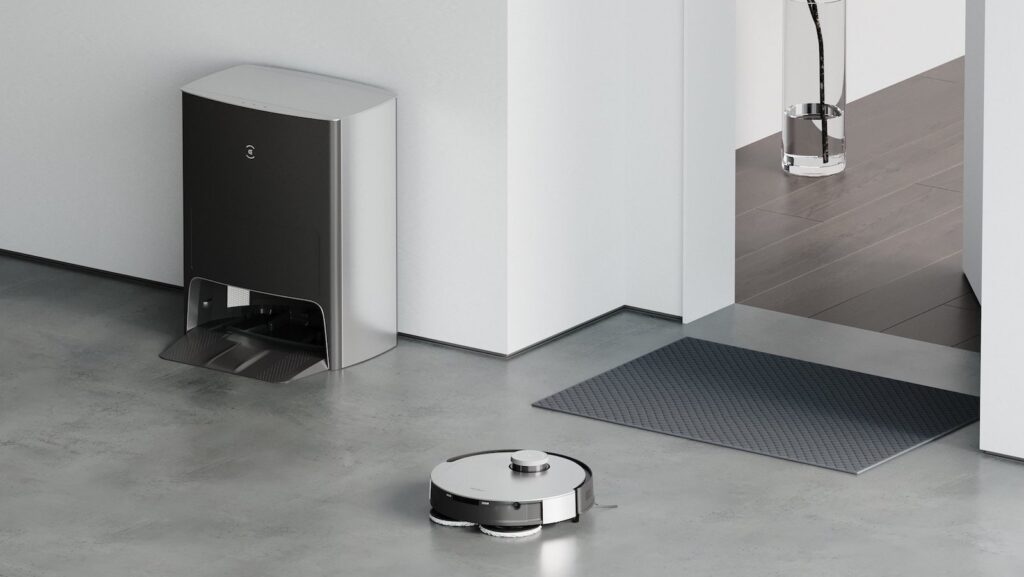
- Self-maintaining docks. The best setups empty their own dustbins, refill their water tanks, and even wash their own mop pads—so you're not stuck doing the maintenance work.
For pet owners, busy professionals, or anyone who simply values their free time, a robot vacuum isn't a luxury. It's a daily quality-of-life upgrade.
Which Brands Should You Watch Right Now?
If you're shopping for a robot vacuum this year, the landscape is shifting but not broken. Here's what's happening with the biggest names:
Roborock ships a new flagship almost every year, and their models consistently rank among the best for navigation, suction power, and mopping performance. If a purchase is on your radar, this year's lineup might be your safest bet before waiver processes slow down future releases.
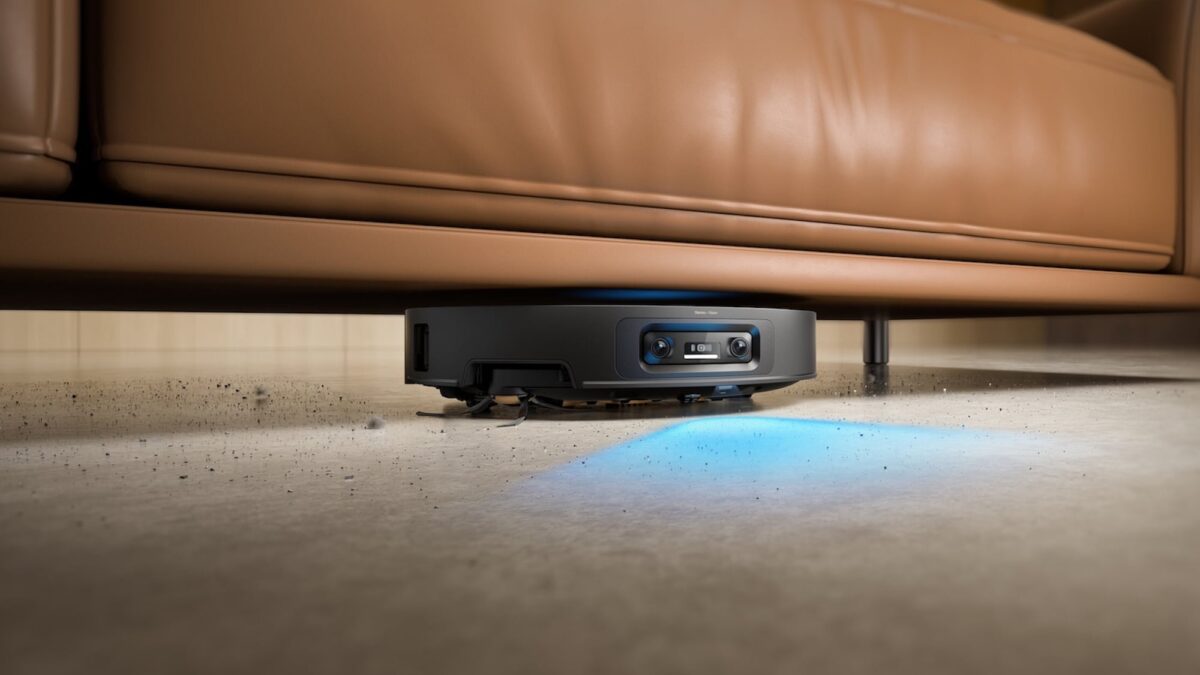
Dreame has been pushing boundaries with aggressive flagship releases—think stair-climbing capabilities and ultra-thin profiles that squeeze under low furniture. Their current lineup remains a strong contender for tech-forward buyers.
Ecovacs brings years of US market experience and wide retail availability. Models like the Deebot X1 series offer premium cleaning performance with self-emptying and self-cleaning docks, making them a solid choice for households that want minimal hands-on maintenance.
Even iRobot, the brand most associated with American-made robot vacuums, isn't automatically exempt. Manufacturing has shifted overseas for supply chain reasons, so the same regulatory scrutiny applies across the board.
How to Choose the Right Robot Vacuum in 2026
Buying a robot vacuum isn't just about picking the biggest brand. It's about matching the device to your actual living situation.
- Small apartment? Focus on navigation precision and compact design.
- Pet hair everywhere? Prioritize suction power, tangle-free brushes, and a self-emptying dock.
- Mixed flooring (hardwood + carpets)? Look for models with automatic carpet detection and adjustable mopping.
- Privacy-conscious? Choose brands with transparent data policies and the option to disable cameras or cloud features.
The near-term reality is simple: fewer new releases, slower launch cycles, and a longer window to grab this year's flagships before the next generation arrives. If you've been waiting for the right moment to upgrade, now might be it.
Final Thoughts
The robot vacuum ban sounds alarming, but it doesn't change the fact that these devices save hours of your time, keep your floors cleaner than you'd manually manage, and integrate seamlessly into modern smart homes. Whether you're a pet parent, a busy remote worker, or just someone who'd rather spend weekends on the couch than pushing a vacuum around, a quality robot vacuum is a purchase you'll feel good about every single day.
Stop letting floor cleaning steal your free time. Find the right robot vacuum for your home, set it once, and never look back.