

It starts with that familiar morning routine. You sit on the edge of your bed, wrap the bulky Velcro cuff around your arm, hold your breath, and listen to the machine pump. It's annoying, intrusive, and honestly? You probably only do it because your doctor told you to.
For years, we've hoped our sleek Apple Watches or Fitbits could just "know" our blood pressure, but until now, those features were mostly vague estimates. Enter the Signal Ring, a titanium wearable promising a real breakthrough: actual, cuffless blood pressure readings without a subscription. But does it stand a chance against the reigning champion, the Oura Ring 5?
I put both to the test to see if health tech has finally matured enough to replace the cuff—or if you're better off sticking to the all-in-one lifestyle tracker.
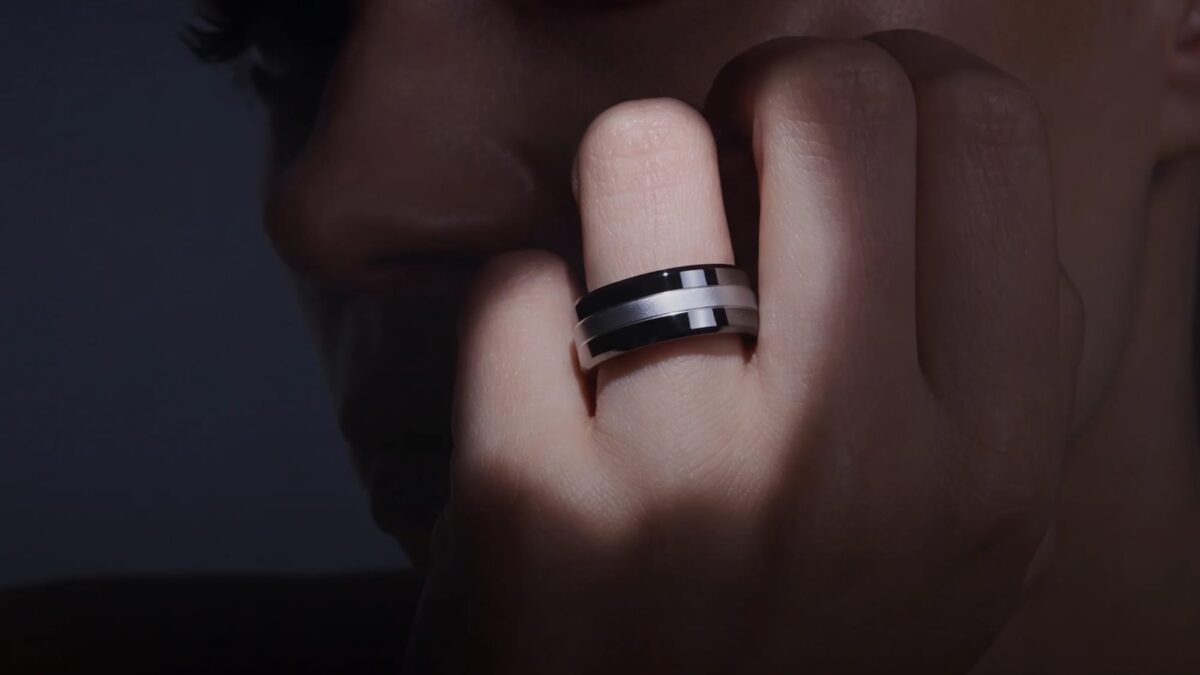
The Specialist vs. The Swiss Army Knife
The biggest surprise in this showdown isn't the specs; it's the philosophy. These two rings aren't actually fighting for the same spot on your finger.
Think of the Signal Ring as a medical specialist. It doesn't care about your steps, it doesn't judge your sleep score, and it certainly isn't gamifying your day. It does one thing: measure your blood pressure. Created by Tom Moss, a former Google Android head who survived a hypertensive crisis, this ring exists because checking your heart health shouldn't feel like a chore.
On the other side, the Oura Ring 5 is your general practitioner. It's the new 40% smaller, ultra-light (just 2 grams!) version of the ring that taught us to obsess over our readiness scores. It tracks sleep, stress, recovery, and now offers "Blood Pressure Signals"—but here's the catch: Oura tracks trends over time, not a specific number you can read back to a doctor.
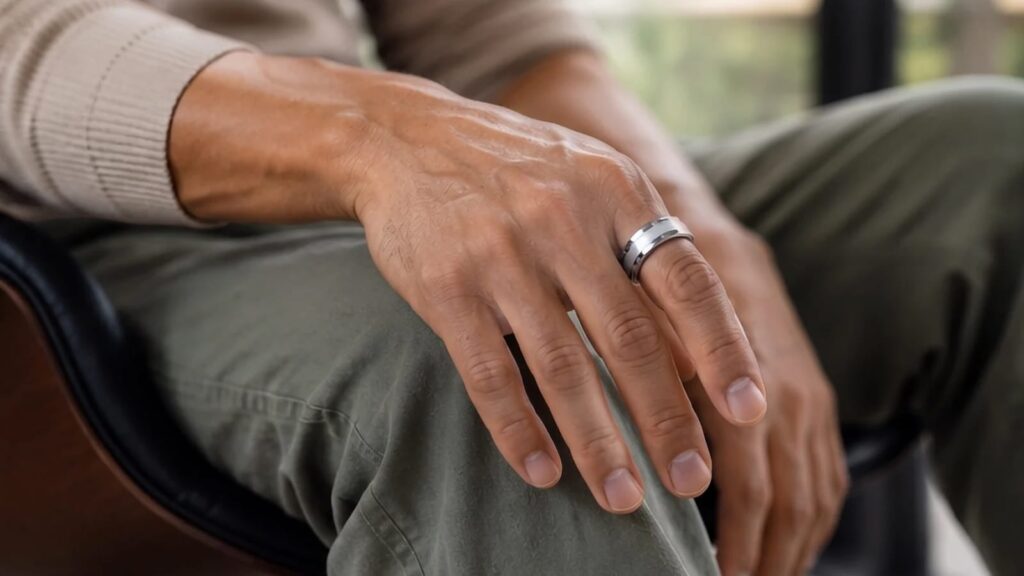
Real Numbers vs. Health Trends
If you need hard data, the distinction is crystal clear. The Signal Ring uses a unique optical sensor validated in a massive 451-person clinical study to meet ISO standards. You don't need a cuff for calibration, ever.
Using the "Zen Mode," the app guides you to sit still and breathe, giving you a spot-check reading in minutes. It even logs context—like "Was this high reading caused by morning coffee or that stressful call?"—giving you actionable insights rather than just a scary number.
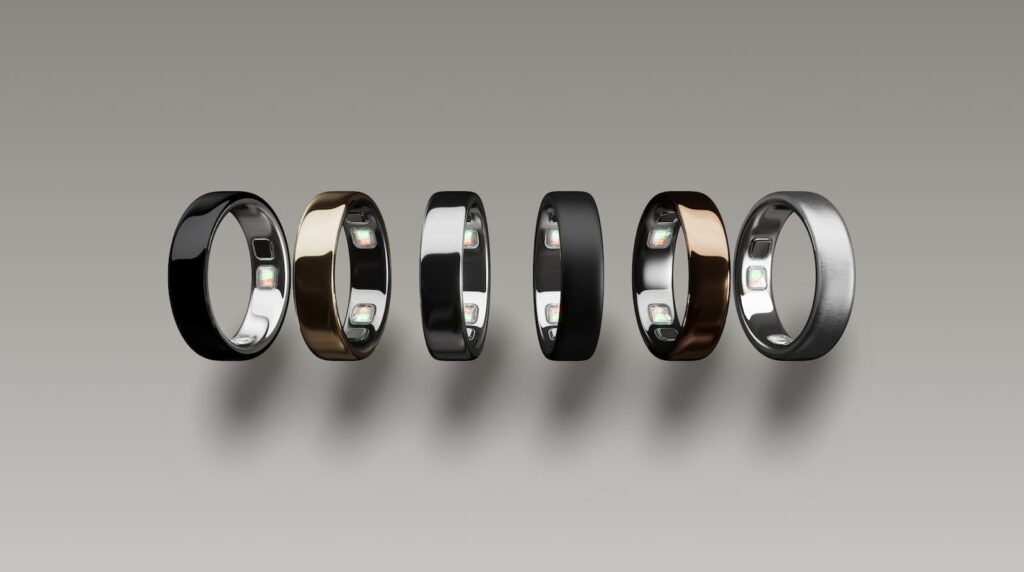
Oura Ring 5, while incredible at showing how you slept or how your body is recovering from a workout, only offers BP as a background trend arrow. It's fantastic for long-term awareness, but if your doctor asks for today's systolic reading, Oura can't help you. Signal Ring can.
The Daily Grind: Battery and Subscriptions
Wearables are only good if you actually wear them. This is where the trade-offs get interesting.
- Signal Ring: At $399, you pay once. No monthly fees. The titanium build is premium, but you'll be charging it every three days. It's a small price to pay for zero subscription fatigue.
- Oura Ring 5: Comfort is unmatched here. It feels like almost nothing on your hand and lasts 6 to 9 days on a charge. However, the $399 base price is just the entry ticket. You must pay the $5.99/month membership to unlock the insights. Over three years, that's more than double the cost of the Signal.

Which Ring Belongs on Your Finger?
After weeks of wearing both, my recommendation comes down to one question: Are you managing a health condition, or optimizing a lifestyle?
Buy the Signal Ring if:
- Data matters: You need actual blood pressure numbers for your doctor.
- You hate subscriptions: You want a device that works fully right out of the box with no hidden costs.
- Focus is key: You don't want distraction; you want a dedicated tool for cardiovascular peace of mind.
Buy the Oura Ring 5 if:
- Holistic health is the goal: You want the gold standard for sleep, recovery, and stress tracking.
- You prize comfort: The 40% smaller size and week-long battery life make it the best "set and forget" daily wearable.
- Trends over targets: You're happy with wellness insights and early warnings rather than clinical-grade BP readings.
Health tech is finally moving past gimmicks. whether it's the laser-focused medical utility of the Signal Ring or the polished, all-encompassing ecosystem of the Oura Ring 5, we've reached the point where wearing a ring is less about counting steps and more about truly knowing your body. Choose the specialist for your heart, or the generalist for your whole health—but either way, the days of ignoring what's happening inside your body are over.