

You picture a clean, gadget-free entryway. So, when you see a smart lock that doubles as a video doorbell, it feels like the ultimate shortcut. But after watching delivery drivers crouch to find a hidden button at ankle height, or scrambling for keys when the lock’s battery dies in freezing weather, the convenience starts to fade fast. If you’re weighing an all-in-one smart lock with camera against a separate doorbell and deadbolt combo, the truth might surprise you. Sometimes, splitting up the hardware is actually the smarter, more secure move for your front door.
The Angle Problem: Where Guests Actually Look
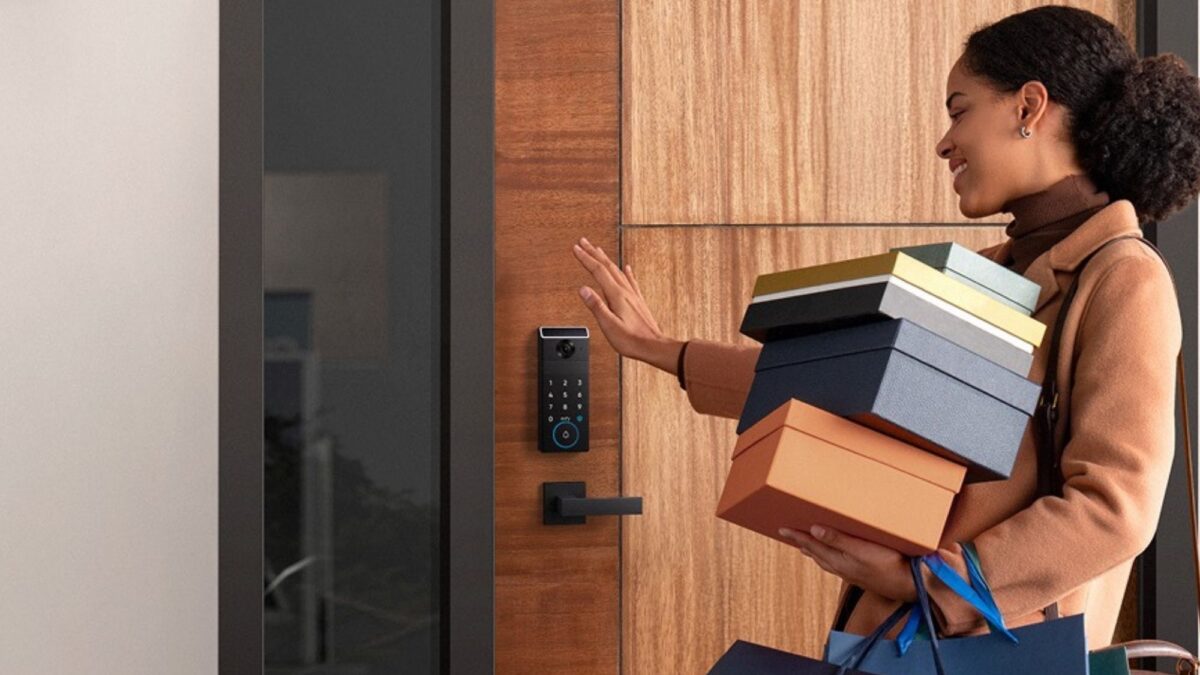
Doorbells have lived beside doorframes at chest height for over a century. That’s exactly where human eyes naturally scan. All-in-one models like the Eufy FamiLock S3 Max mount their camera and doorbell button down near the deadbolt. Couriers used to scanning walls at waist level often miss it entirely, and visitors end up awkwardly reaching for a button hidden behind a keypad.
A standalone smart doorbell, like the Google Nest Doorbell (3rd Gen), sits exactly where people expect it. You get a proper, head-on view of whoever is standing at your door, sharper motion tracking, and zero guessing games. It’s an unglamorous win, but it matters the moment you step outside and realize your front porch camera is angled at your doormat instead of your delivery packages.
Security & Build Quality: Don’t Compromise the Deadbolt
When you cram a 4-inch screen, a Wi-Fi module, and a camera lens into a single lock body, you inevitably leave less room for heavy-duty steel. Security isn’t just about who can pick the lock—it’s about who can kick it in.
The Schlage Arrive Smart Wi-Fi Deadbolt carries an ANSI Grade 1 and BHMA AAA rating. It ships with heavy-duty 3-inch screws and a reinforced strike plate that bites deep into your door frame’s actual wood, not just the trim. Most integrated smart locks top out at Grade 3 because their internal components take priority over brute strength. By separating the camera from the deadbolt, you keep your physical security uncompromised and your door frame fortified.
Power, Storage & The Subscription Trap
Smart locks and cold weather rarely get along. Lithium batteries drain faster in freezing temperatures, and when an all-in-one unit shares its power between a live camera feed, a bright interior screen, and the locking motor, you’re playing a risky balancing act.
A split setup completely changes the equation:
- Hardwired doorbell: Pulls continuous power directly from your chime transformer. You never have to worry about battery anxiety.
- Dedicated lock batteries: AA or lithium cells run only the deadbolt motor. Even if your camera feed drops, your lock still turns.
- Smarter storage flexibility: While all-in-one locks often push expensive cloud subscriptions, the Eufy FamiLock S3 Max includes 8GB of local storage to keep clips on the device. Pairing a budget-friendly Tapo D130 with a microSD card, however, often beats it on long-term clip access and zero monthly fees.
When an All-in-One Smart Lock with Camera Actually Wins
Not every home comes with neat chime wiring or a pristine door frame. If you live in a rental, an older house with a blocked or painted-over peephole, or simply need security on a single door without drilling new low-voltage holes, an integrated unit shines.
Its built-in 4-inch interior screen replaces the traditional peephole entirely. No more fumbling for your phone in a dark hallway—just glance up to see exactly who’s outside. Plus, features like palm vein scanning offer blazing-fast, local-only biometric access that doesn’t rely on fingerprints smudged by rain or cooking grease. It’s a brilliant, self-contained ecosystem for specific, wiring-challenged setups.
Final Verdict: Match the Setup to Your Lifestyle
If your front door already has working chime wiring and you want maximum durability, split the duties. A Grade 1 deadbolt paired with a wired smart doorbell gives you independent troubleshooting, perfect camera angles, and unmatched physical security.
But if you’re dealing with tricky wiring, want a seamless peephole replacement, or just need a tidy single-door solution, the all-in-one route saves installation headaches and cuts out monthly cloud fees. Whether you go for two specialized devices or one sleek powerhouse, upgrading your entryway starts with choosing what actually matches your home’s architecture. Stop fumbling with keys and start securing your space the smart way—pick the setup that fits your door, and step into a smarter, safer daily routine today.